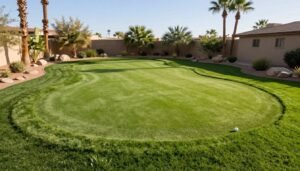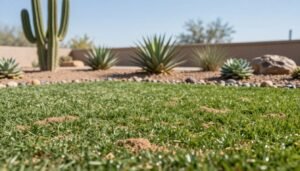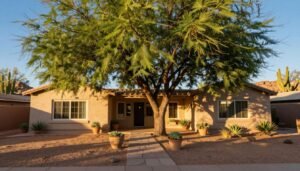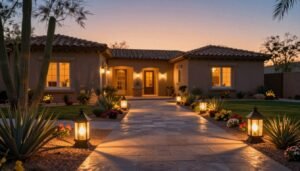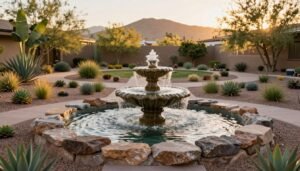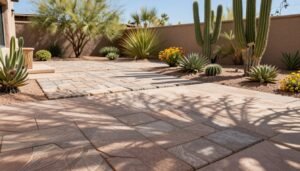
A well-planned commercial site in Tempe or Scottsdale should suit how people use it while managing desert heat, water, and long-term care. What should your plan account for before work begins? It should balance the property’s use, Arizona’s climate, and the care your team can sustain.
Caliche is a calcium-carbonate-cemented layer in Arizona soil that can restrict drainage and root growth. Seasonal turf care also matters, especially when you want winter color. Your design, installation, and maintenance scope should match the site and your budget, not a standard package built for another property.
HOAs need shared areas that stay usable, while restaurants and offices must keep entries and walkways clear. Clients also need to decide how much disruption they can manage during the work and what ongoing service they need afterward. Clear priorities help you compare proposals and ask each landscape provider for the right scope.
Set the project’s priorities around site use, water needs, and the level of care the property can sustain.
Key Takeaways
- Plan around how people use the property.
- Check caliche and drainage before planting.
- Match irrigation to water needs and site conditions.
- Set a clear design, installation, and maintenance scope.
- Compare service plans on equal terms.
- Allow for seasonal turf care where needed.
Commercial Landscape Design Tempe: What Does It Cost?
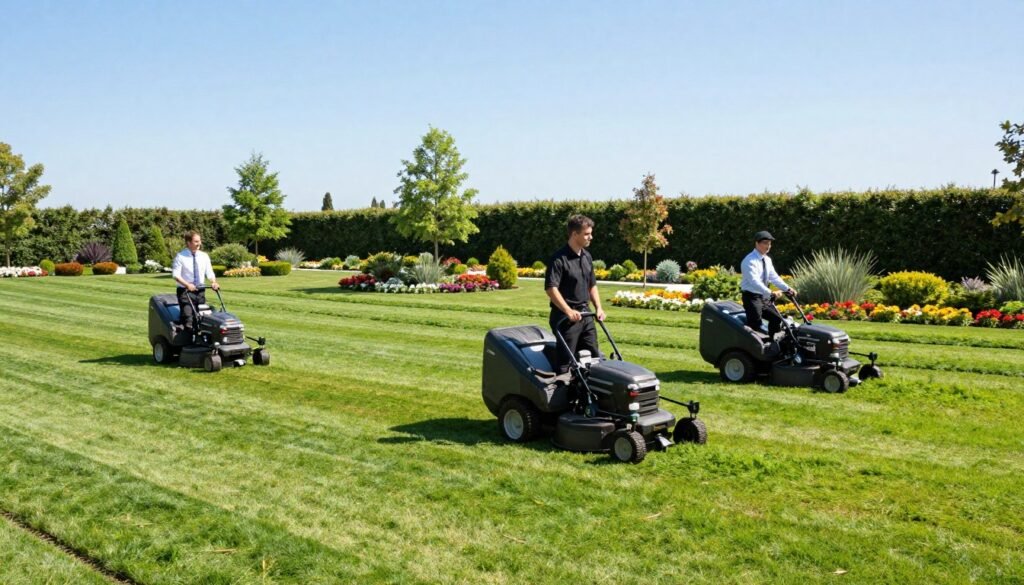
Commercial mowing in 2026 averages $50-$150 per acre on sites under 5 acres, with lower per-acre rates for larger properties. Commercial landscape design in Tempe can include different services, so a useful estimate must name the work and visit schedule.
Property size matters, but size alone does not set the price. Visit frequency, access, terrain, and the mix of landscaping and maintenance tasks also affect an estimate.
How contract scope changes the price
In 2026, full-service commercial lawn care averages $800-$1,600 per acre monthly. It typically includes weekly or biweekly mowing, shrub and bush trimming, tree pruning, spring and fall cleanups, weeding, mulching, gardening, fertilizing, aeration, overseeding, sod repairs, and pest control.
That broad service list may not fit every property. Ask which tasks happen at each visit, which happen seasonally, and whether repairs fall within the contract.
An unusually complex site can take more labor in a small area than a larger, open property. Fences, steep slopes, tight gates, and obstacles may slow work and affect access.
Task-based mowing and trimming rates
Task rates help you compare the price of a single service. These 2026 figures are typical market averages, not RTL Outdoor Services’ prices.
| Service | Unit | Typical rate | Condition |
|---|---|---|---|
| Mowing under 5 acres | Per acre | $50-$150 | Commercial sites |
| Mowing at least 5 acres | Per acre | $25-$60 | Commercial sites |
| Weekly mowing of 1 acre | Per visit | $60-$100 | Flat ground, ideal conditions |
| Weekly mowing of 50 acres | Per visit | $1,250-$3,000 | Flat ground, ideal conditions |
| Tree trimming | Per tree | $400-$900 | Depends on height, type, and access |
Commercial landscape maintenance averages $40-$80 per hour per worker in 2026. Hedge trimming averages $25-$60 per 10 feet, while shrub and bush trimming averages $5-$20 per bush.
Compare quotes only after confirming that they cover the same visit frequency, service list, and site conditions.
How Does a Commercial Design-Build Project Work?
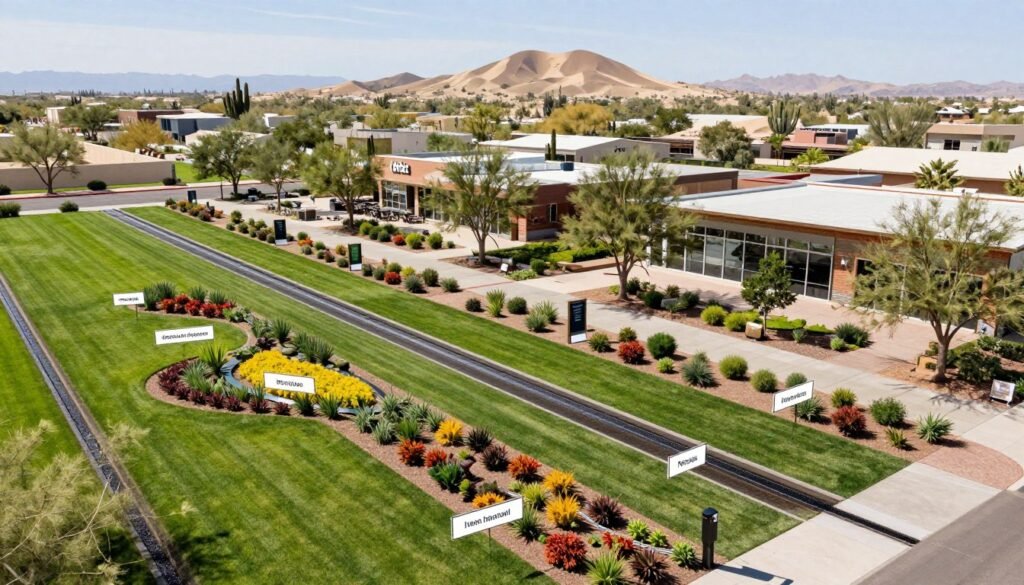
On a Tempe commercial site, checking drainage and caliche before planting can prevent a design from relying on soil conditions the site does not have. A design-build project turns those site facts into a plan, then carries the plan through installation and handoff.
Landscape design in Arizona should account for heat, water availability, and seasonal turf care. The landscape provider starts by checking how people use the property, how crews reach work areas, and what hardscape already exists.
Site assessment and design decisions
Assessment should cover drainage, existing irrigation, and soil conditions, including caliche. Sun exposure and available planting space affect which plants and features can work. The plan can then show options such as pavers, flagstone, trees, turf, drip systems, or low-voltage lighting.
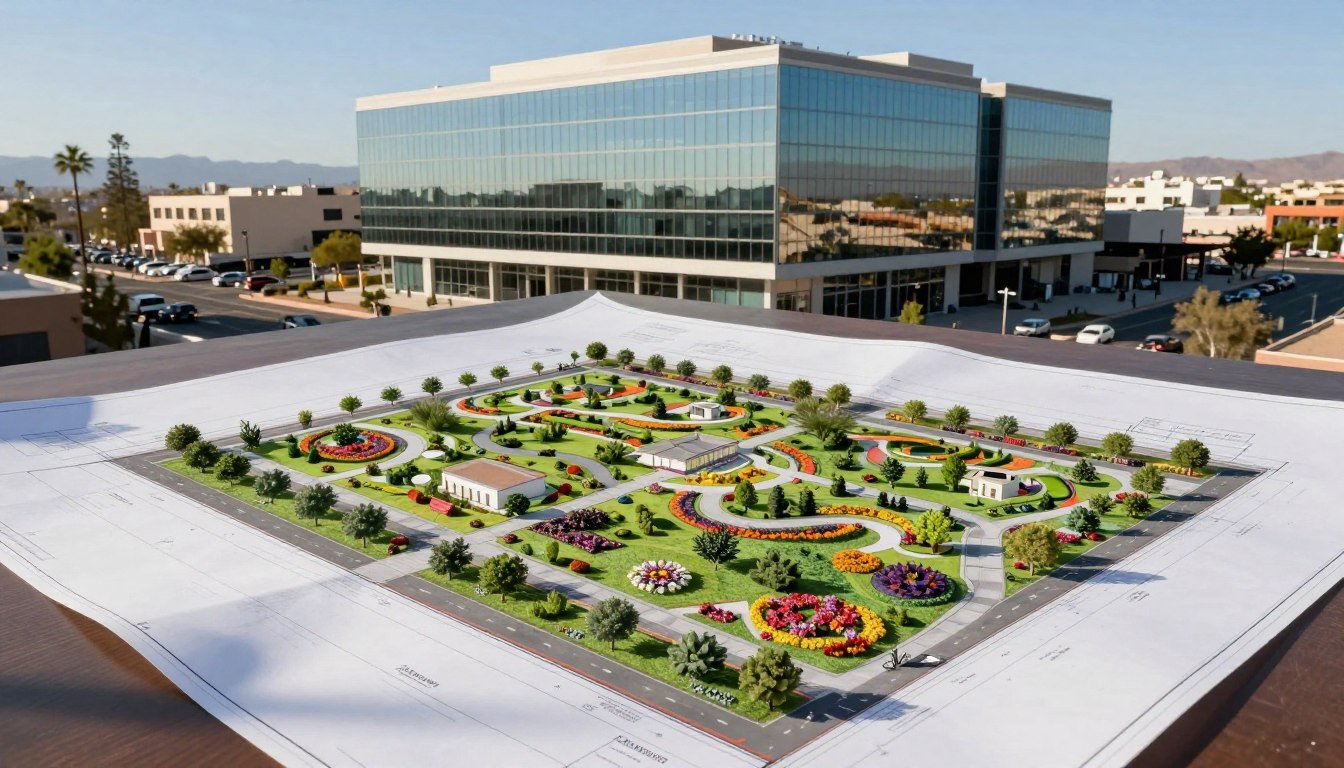
Those choices depend on the site; no project needs every feature. Some teams use 3D renderings to help clients review layouts before construction. A site-first approach can help you plan around Tempe’s desert conditions instead of copying a design from another climate.
Use these five checks to shape the plan before the work begins:
- Intended use and foot traffic
- Drainage and caliche
- Sun exposure and plant space
- Irrigation zones and controls
- Installation access and phasing
Installation scope and handoff
The proposal should show what the crew will install and where. Options may include sprinkler systems, drip systems, pavers, flagstone, curbing, stone, boulders, lighting, sod, trees, and plants.
It should also show how crews will access the work areas and whether installation will happen in phases. Clear phasing can help keep key entrances or walkways open while the team works.
Before handoff, confirm who will operate irrigation controls and report problems. Have the provider mark irrigation lines and access routes on the plan before installation begins.
Which Arizona Plants Fit Commercial Sites?
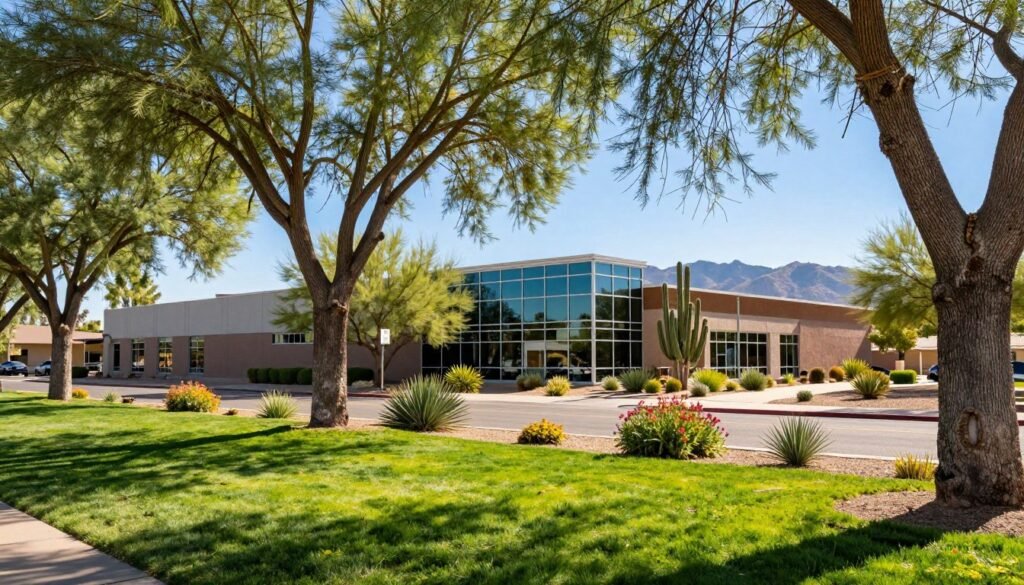
Desert Museum Palo Verde is a practical shade-tree option where a site has full sun, well-drained soil, and room for a canopy about 25 feet wide. Other plants suit different spaces, but mature size, soil, and water access should guide each choice.
Use mature size to judge whether a tree or shrub fits near a walkway, sign, or building. The landscape provider should also consider the site’s sun and soil before adding plants to the design.
Shade trees for larger planting areas
Desert Willow grows 15-35 feet tall, with a width equal to or greater than its height, and prefers full sun. Fruitless Olive grows about 25-30 feet tall and nearly as wide. It prefers full sun and tolerates alkaline soil.
Ironwood can grow to about 30 feet tall and wide. Depending on conditions, it needs no water or only occasional summer watering. Mesquite varieties range from shrub forms to trees over 50 feet tall and 100 feet wide.
| Plant | Approximate mature size | Site preference | Water or climate note |
|---|---|---|---|
| Desert Museum Palo Verde | About 25 feet tall and wide | Full sun, well-drained soil | Drought tolerant once established |
| Desert Willow | 15-35 feet tall, width equal to or greater than height | Full sun | Size varies by conditions |
| Fruitless Olive | About 25-30 feet tall and nearly as wide | Full sun | Tolerates alkaline soil |
| Green Hopseed Bush | 4-20 feet tall | Full sun, fast-draining soil | Size depends on watering and climate |
| Ironwood | About 30 feet tall and wide | Room for a broad canopy | No water to occasional summer watering, depending on conditions |
Smaller trees and adaptable shrubs
Green Hopseed Bush can grow 4-20 feet tall, depending on watering and climate. Its full-sun and fast-draining-soil preferences make the planting spot important. Arizona Rosewood needs infrequent, deep supplemental watering in summer once established.
Mesquite watering needs also depend on variety. Established plants can need little to no water, but site conditions still affect a watering plan.
Watering and mature-size checks
Watering depends on establishment, soil, and exposure. A new plant may need a different schedule from an established one, even within the same property. Set irrigation to meet each planting area’s needs rather than using one schedule everywhere.
Check a plant’s mature width against sidewalks, signs, utilities, and building clearances before approving its location.
What Ongoing Care Keeps the Site Healthy?
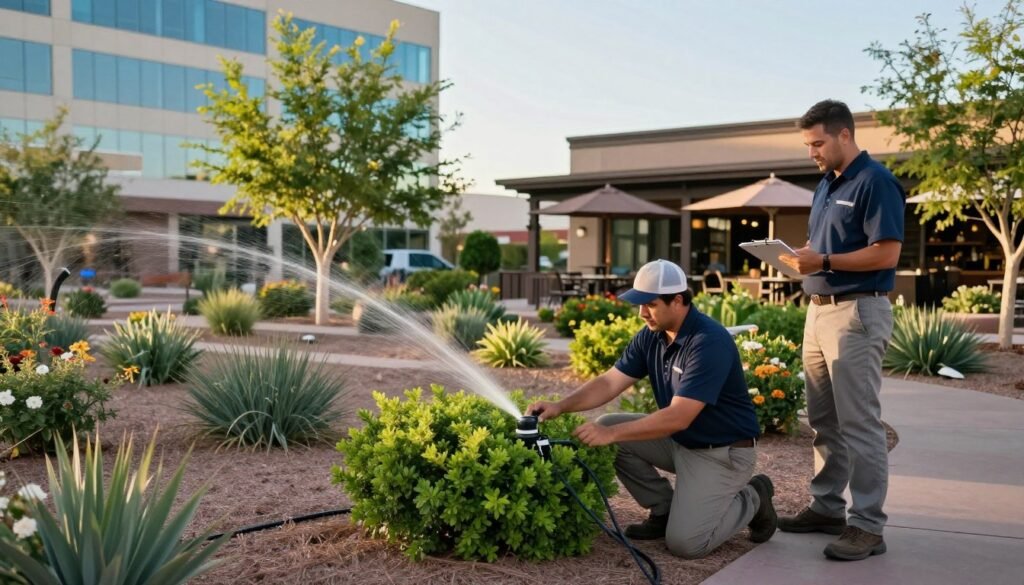
A functioning irrigation system and a season-specific care schedule are central to keeping a commercial site healthy through Tempe’s heat. Recurring service can include system checks, repairs, routine grounds work, and seasonal tasks.
Plant care should reflect the system and site conditions. A desert-adapted plant’s watering schedule still changes with establishment, soil, and exposure.
Irrigation checks in desert conditions
Irrigation inspection means checking for leaks, blocked lines, broken heads, and controls that do not match the watering plan. Repairs address those faults; routine mowing and trimming do not. Ask the service team to note issues that need more work.
Drip systems and sprinklers may serve different areas of the same property. The team should check each system and confirm that water reaches the intended planting or turf zone.
Seasonal turf and plant maintenance
Routine landscape maintenance can include mowing, edging, trimming, shrub pruning, weed removal, aeration, fertilizing, and cleanups. Winter overseeding may also suit a site that wants cool-season color, but it is not needed everywhere.
Arizona turf care should account for warm-season growth and fall overseeding when winter color is desired. The season and type of turf shape the schedule, so one calendar may not fit every lawn.
Keep the service list clear for both routine visits and seasonal work. Ask for irrigation issues and completed maintenance tasks to be documented at each service visit.
How Should You Compare Landscape Providers?
BrightView ranks No. 1 in the 2026 Top 100 list, while the best fit for an individual property depends on its scope and local service requirements. The listing reports $2,672,800,000 in 2025 revenue and 19,000 employees for BrightView, but size alone does not prove service quality.
Use rankings as background, then assess whether a team can handle your property’s work and management needs. Written scope, local staffing, and references can tell you more about day-to-day fit.
Check commercial fit and service scope
The 2026 Top 100 listing also names large national firms and Arizona providers. Their rank and reported size offer context, not a guarantee about a local team’s quality or availability.
| Company | 2026 rank | Reported 2025 revenue | Employees |
|---|---|---|---|
| BrightView | No. 1 | $2,672,800,000 | 19,000 |
| The Davey Expert Tree Company | No. 2 | $1,948,000,000 | 12,406 |
| Yellowstone Landscape | No. 5 | $773,764,374 | 7,295 |
| SiteWorks | No. 58 | $65,809,127 | 265 |
| AAA Landscape | No. 61 | $62,000,000 | 710 |
Caretaker Landscape and Tree Management, based in Gilbert, ranked No. 69, with $57,254,031 in reported revenue and 368 employees. Tempe-based Dupper Landscape ranked No. 71, with $55,772,925 and 205 employees.
BrightView offers commercial landscape maintenance, water management, tree care, and drought landscaping services in the Tempe area. Ask each provider to address the same duties and timing in its proposal.
Use these five checks when you compare finalists:
- Similar commercial sites
- Written scope and visit frequency
- Irrigation responsibility
- Seasonal and emergency response
- References for comparable work
Read rankings and reviews in context
Local design and build options include The Design Laboratory in Tempe, with a 5-out-of-5 Houzz rating from 7 reviews. MTH Design Group offers residential and commercial design and construction, with a 4.9-out-of-5 rating from 56 reviews.
Refined Gardens serves commercial, resort, and residential projects, with a 5-out-of-5 rating from 5 reviews. Greenheart Landscapes has a 5-out-of-5 rating from 8 reviews and 4 Tempe-area projects. Shearon Design Collective has a 5-out-of-5 rating from 28 reviews and 53 Tempe-area projects.
A rating or project count is one screening input, not proof of commercial capacity. Ask each finalist to walk the site and identify the same maintenance and installation responsibilities in writing.
What Should HOAs, Restaurants, and Offices Prioritize?
An HOA, a restaurant, and an office may use the same landscape materials, but each site needs a plan built around how people enter, move through, and maintain it. Priorities should reflect the property’s busiest areas and daily operations.
Some providers offer both residential and commercial landscape design in Tempe. A residential portfolio alone does not show experience with commercial access, liability, or recurring property management.
Shared community spaces and HOAs
HOAs should focus on access to shared spaces, clear sightlines, durable routes, and steady maintenance across common areas. Residents may use the same paths at different times, so designs should support daily movement without blocking access.
Planting and hardscape choices should suit the way residents use each space. Consider how crews can reach common areas and keep service work from interfering with regular access.
Customer-facing restaurants and offices
Restaurants should prioritize arrival areas, outdoor dining, clear walkways, and service access. Guests need an easy route from the entrance to a table, while staff need room to move supplies and manage deliveries.
Office plans should consider entrances, employee outdoor areas, and wayfinding. Phased work can limit disruption when a property needs to keep doors and key routes open during installation.
Residential and commercial projects can both include design, construction, plant installation, lighting, pavers, turf, and irrigation. Operating needs and access constraints still differ, so a residential project is not a substitute for proof of commercial experience.
Put the property’s highest-use areas and operating constraints in the project brief before approving a concept.
Conclusion
A commercial landscape project is most useful when its design, installation, and care plan all fit the property’s daily demands. A strong plan should also reflect local water conditions and the maintenance scope your team can sustain.
Share your property goals and request a quote from RTL Outdoor Services. Visit rtloaz.com to discuss your property and request a quote from RTL Outdoor Services.