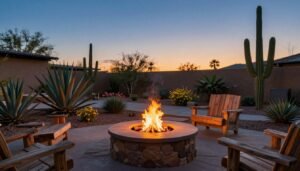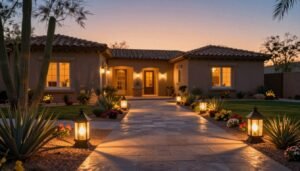
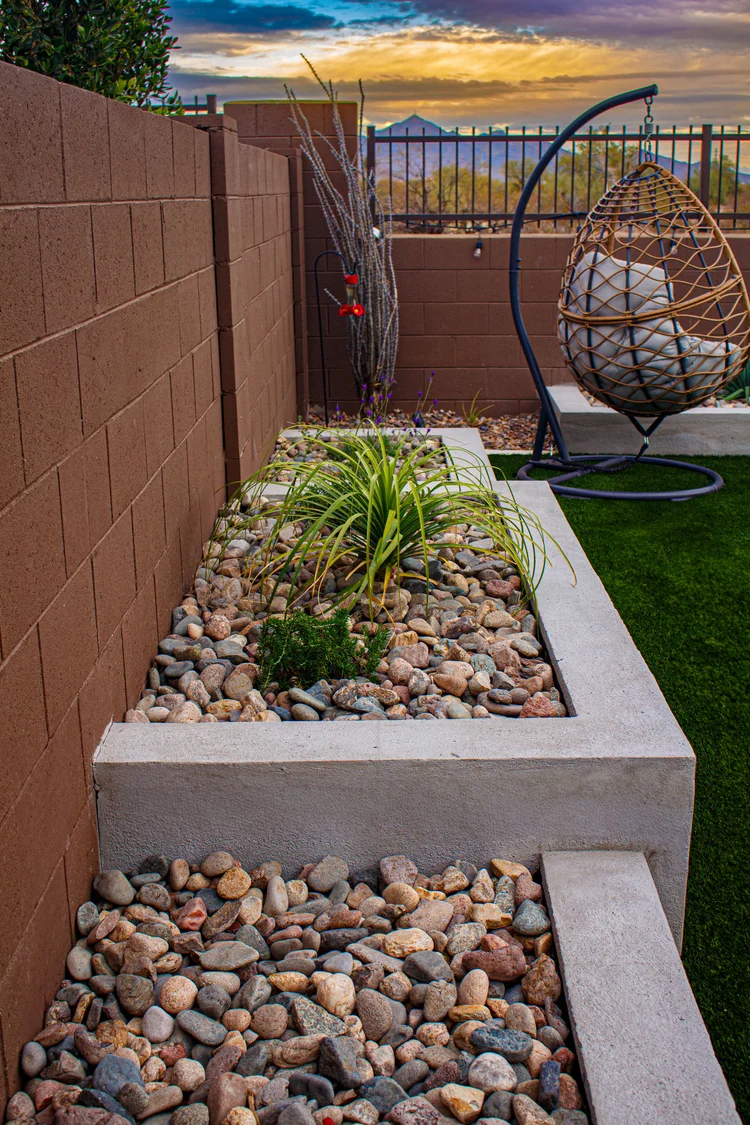
Block planters with a stucco or split-face finish suit most Arizona yards that need a long-lived, built-in look. Steel planters suit a modern look, and aluminum suits a lighter build. Custom planter boxes come in all three material families, so the right pick depends on your yard and how you plan to use it.
If your yard is covered in rock, you know the problem. Gravel holds heat, the ground dries out fast, and the space feels bare. A rock yard renovation is a good time to add planters that bring life to your outdoor spaces, but desert sun is hard on anything you set in it.
Key Takeaways
- Block planters with a stucco or split-face finish suit a built-in look that lasts.
- Steel planters suit a modern look, and Corten needs no paint or sealant.
- Aluminum planters weigh about a third as much as steel of the same size.
- Desert sun heats planter soil quickly and dries it out fast.
- Measure the sun hours and height of the spot before you choose a material.
The right choice depends on the planter’s height, how you will use it, and how much sun it gets. Measure the spot where the planter will sit and note how many hours of direct sun it gets, since both change the right material and size.
How Desert Sun Affects Custom Planter Boxes
Desert sun hits a planter from above and from the wall face. The material’s surface and the soil depth both matter for how plants fare.
Planters hold soil that heats faster than ground soil. That soil also loses moisture faster, so the depth of the planter changes how well the plants cope.
Light color on a wall reflects more sun, and shaded walls run cooler. A pale block wall in full sun stays cooler than a dark steel box in the same spot. The material you pick sets how much heat the wall holds, and the design of the wall decides how much afternoon sun it takes.
Pick a site with 6 to 8 hours of direct sun for vegetables and flowers, and plan shade for plants that burn. Note which wall faces get afternoon sun from the west and plan the planter’s plant choice around that face.
Block Planter Walls and Seat Walls
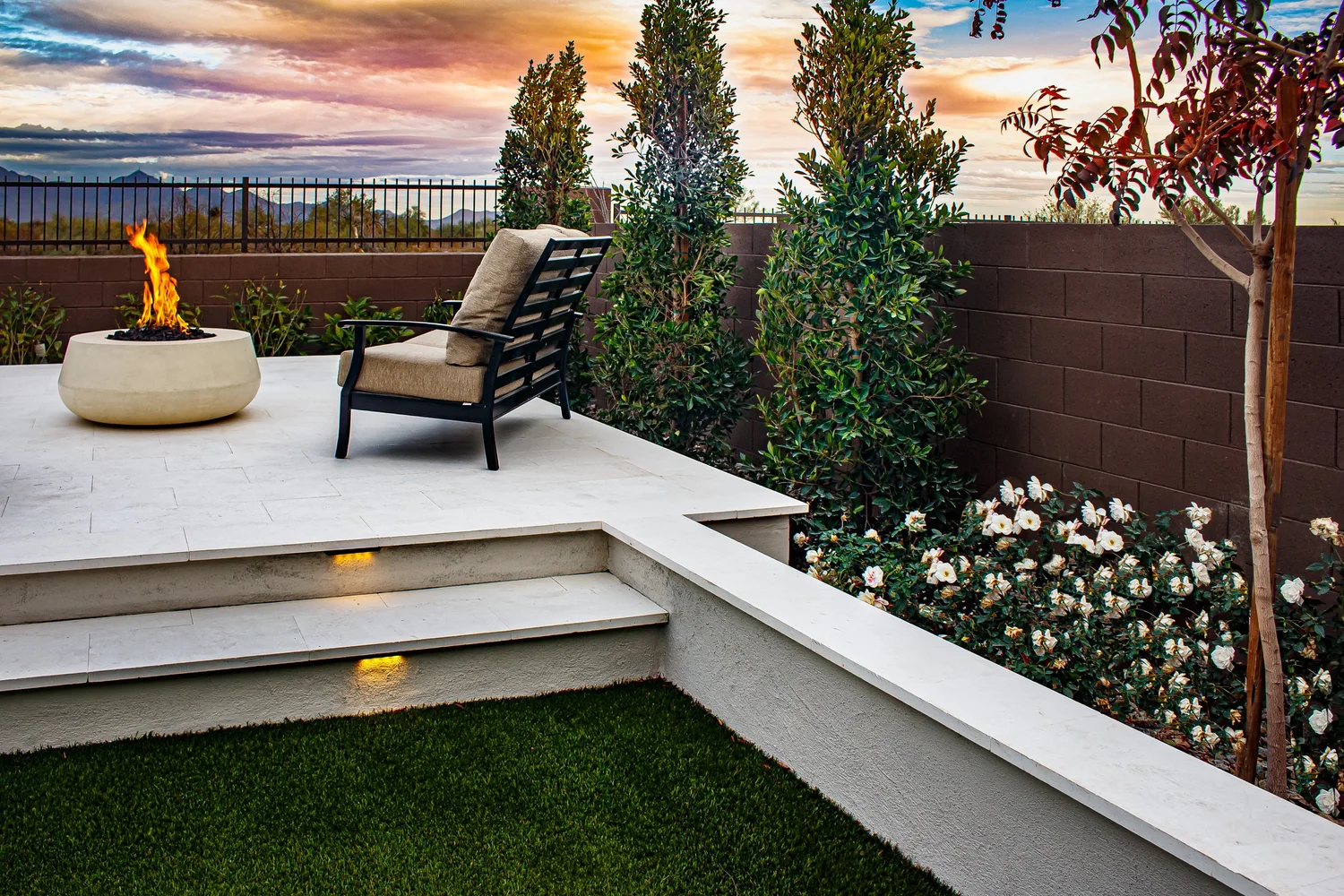
A block planter in an Arizona yard usually stands 18 to 30 inches tall on a poured footing, and the height you choose sets how many courses of block you lay. To make your own planter box from block, pour a level footing and lay each course of block in order. CMU, or concrete masonry unit, is the standard hollow concrete block used to build planter walls and seat walls.
Height, footing and build for a block planter
A standard concrete block measures 16 by 8 by 8 inches nominal, so each course adds about 8 inches of height. A 24-inch wall takes three courses, and a raised vegetable bed of 18 to 24 inches is a common choice. The footing must be sized to the wall and set level before the first course goes down.
A builder working alone must lay each course level and check it with a level after every few blocks. Fill the block cores with mortar or grout where the wall carries a load, such as a wall that holds back soil or supports a seat.
Seat wall depth and cap color
A block seat wall meant for sitting is commonly 18 to 20 inches tall, with a seat 12 to 16 inches deep. That depth lets a sitter’s knees clear the planter. The cap is the top surface of a block wall, and a light-colored cap stays cooler to sit on in July than a dark one.
Check that the footing is level before laying the first block, since a wall built on a slope shows the error at every course above it.
Stucco and Split-Face Finishes for Block
Stucco to match the house adds roughly $4 to $8 per square foot on each finished side, and split-face block adds 25 to 40 percent over plain gray block. A stucco finish is matched to the house, so the planter looks built in. Each finished side adds cost, so the number of finished faces matters.
Split-face block gives a textured look without stucco. Plain gray block suits a hidden or low-visibility wall where no one looks closely. The color of stucco is chosen to match the house trim and walls.
| Finish | Cost effect | Best use |
|---|---|---|
| Stucco to match the house | Roughly $4 to $8 per square foot on each finished side | Walls that show from every side |
| Split-face block | 25 to 40 percent more than plain gray block | A textured look without stucco |
| Plain gray block | Base price with no finish added | Hidden or low-visibility walls |
A planter finished on the inside and outside costs more than one finished only on the faces you can see. Finish only the faces people see and leave the soil-side face plain, since the soil hides it.
Steel Planters: Corten and Galvanized
Corten steel forms a stable protective rust patina over time, so the planter needs no paint or sealant. Decorative metal planter boxes give a warm, rust-colored look that changes as the metal ages. Steel planter boxes come in two main types, Corten and galvanized.
Custom steel planter boxes can be cut and sized to fit a tight corner or a long wall. Corten suits a yard that wants warm tones, while galvanized suits a plain metal look. Weathering steel is the name for the group of steels that includes Corten.
How Corten weathering steel develops its patina
The patina starts to form within weeks of the steel being placed outdoors. Complete rusting may take years, depending on humidity, salt and temperature. The color shifts in the first weeks and deepens slowly over the years that follow.
Keep sprinkler spray off the metal surface. Water that hits the steel again and again can rust it unevenly, so the color looks patchy.
How long galvanized steel lasts outdoors
Galvanized steel is virtually rust-resistant for upwards of 50 years outdoors. Choose it when you want a plain metal look and do not want the rust color.
Let the new steel weather for a few weeks before judging its color, since the first orange tones settle into a darker red-brown.
Aluminum Planters and Powder-Coated Finishes
An aluminum planter weighs roughly a third as much as a steel one of the same size. That makes it the easier choice on a rooftop or a patio that gets moved.
A powder-coat finish is baked onto the metal in an oven at roughly 350 to 400 degrees Fahrenheit. The baked coat gives the metal its color and protects it. Color options are wide, and a powder-coated finish can match a house or a garden palette.
The coating is what protects the metal. A scratch that exposes bare metal needs touching up, or the metal can start to corrode at that spot. Check that the color you choose holds up in full sun, since dark colors run hotter than light ones.
Every metal planters project starts with a color choice that suits the yard. Ask for the color chip in the finish you will get, since the color on a screen and the color on the metal often differ.
Drainage and Waterproofing a Planter Wall
A block planter wall needs three drainage parts: a gravel layer at the base, weep holes in the bottom course, and a waterproof coating on the soil side. Each part has a job, and missing one can leave the wall wet. Irrigation water that sinks past the roots must have a way out, or the wall stays wet.
Gravel layer and weep holes
The gravel layer at the base lets water leave the soil and reach the weep holes. Weep holes are openings in the bottom course that let water drain out of the wall core. They are usually spaced about 2 to 4 feet apart along the base.
Waterproof coating on the soil side
The waterproof coating or membrane goes on the soil-facing side of the wall. It keeps water in the soil from soaking through the block. A block planter without these parts can stain its outside face and weaken the mortar over time.
Check each part before you fill the planter:
- Gravel layer at the base
- Weep holes in the bottom course
- Waterproof coating on the soil side
- Drainage outlet that leads water away from the wall
- Footing level before the first course
Test the weep holes by pouring water into the planter after the first fill, and watch that it drains out of the wall base.
Soil Mix, Compost and Yearly Top-Ups
A raised-bed mix of about half to two-thirds topsoil and one-third to one-half compost holds water without staying soggy. Plant-based compost lightens the mix. Too much compost holds too much water, so keep it within that range.
A planter’s soil is a mix of topsoil and compost, not garden soil alone. Garden soil packs down in a box and drains poorly. The planter design also sets how much soil the box can hold.
Use these parts when you fill and maintain the planter:
- Topsoil: the main part of the mix
- Plant-based compost: the part that adds organic matter
- Fill height: a few inches below the cap
- Annual top-up: a few inches of compost or topsoil
- Mulch depth: kept below the fill line
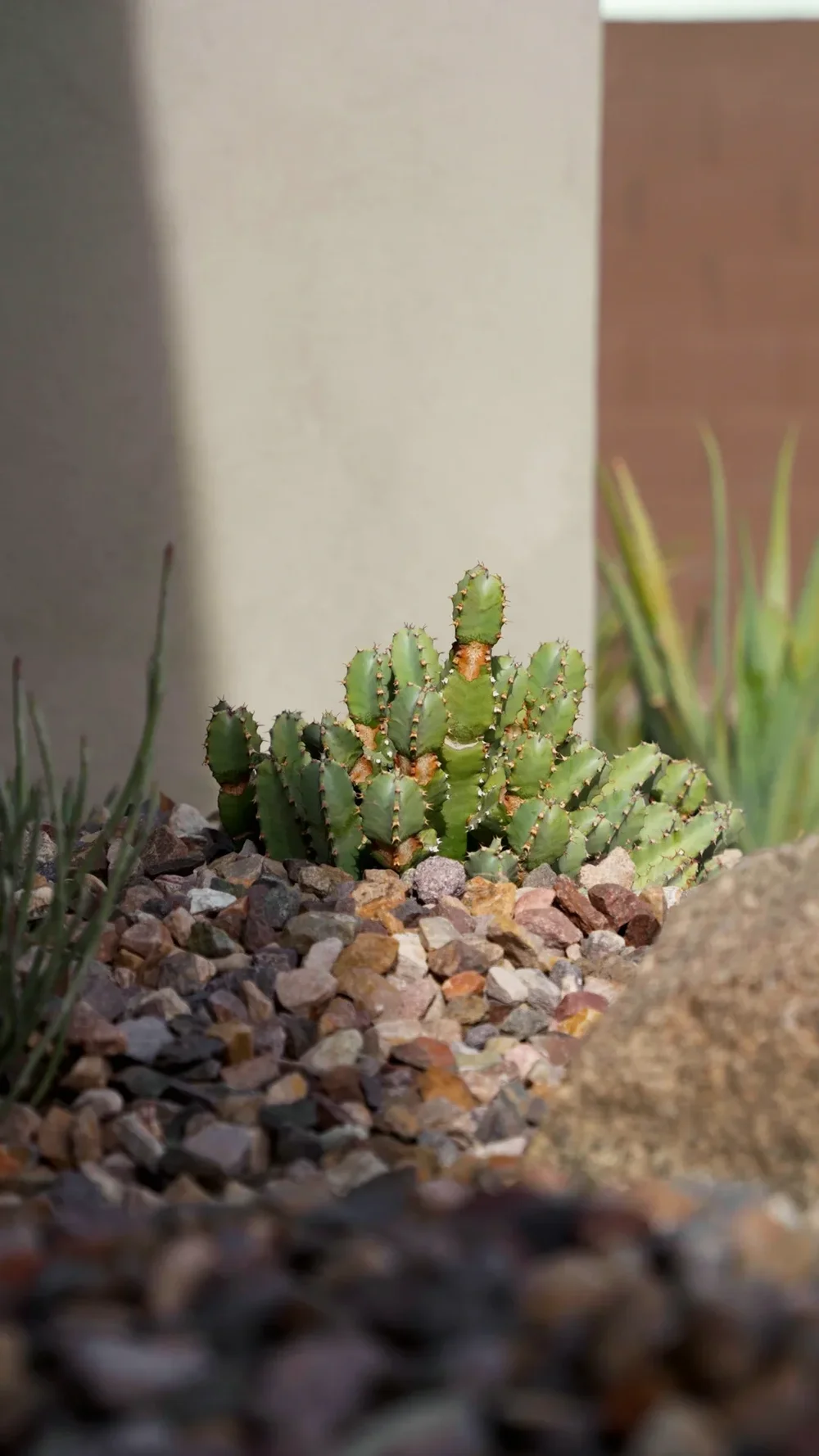
Fill the planter to a few inches below its cap. That gap keeps mulch and water from spilling over and staining the outside face. Add the yearly top-up in spring, before the hot months, when the soil has settled and the planter has room for the new layer.
Watering Planters in Arizona Heat
Vegetables in a planter need about an inch of water a week, and in the hottest summer months that often means irrigation two to four times a week. The inch counts rain and irrigation together. Each planter’s water needs change with its height and its mulch.
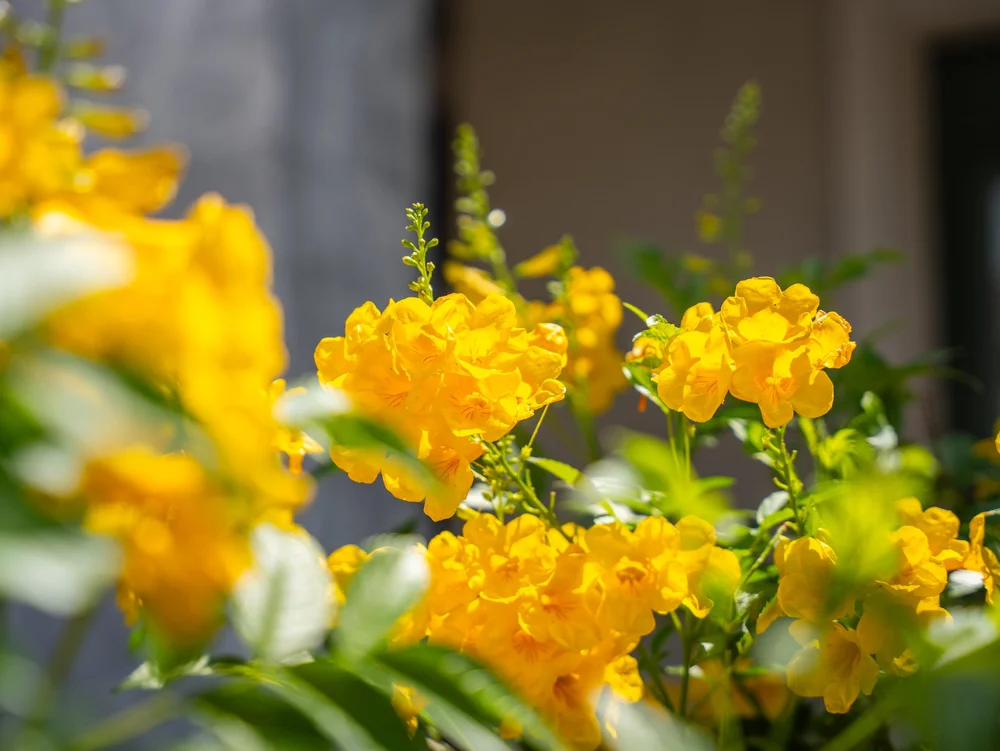
Weekly water needs for vegetables
Shallow-rooted crops in a planter take water from the top 6 to 12 inches of soil. Water deep enough to reach that root zone, not in quick sprinkles that wet only the surface. A short soak that stays near the top does little for deep roots.
Why taller and raised beds dry faster
Containerized raised-bed soil dries faster than soil elsewhere in a yard. Taller beds need more frequent watering than short ones, because more of their soil sits in the drying air.
Use these checks through the summer:
- Finger test: check the soil about 3 inches down
- Drip or hose: aim the water at the root zone
- Mulch depth: a layer that slows surface drying
- Heat waves: check the soil again after each one
- Height: adjust the schedule for taller planters
Water only when the soil feels dry at that depth, and do not water on a fixed day of the week.
Sizing Width, Height and Reinforcement
Keep a raised bed no wider than 4 feet so the center can be reached without stepping on the soil. The 4-foot limit lets a gardener reach the middle from both sides. A planter this size also keeps the soil easy to work.
A bed under 12 inches should be open at the bottom, so roots can reach the soil below. A framed raised bed should be at least 6 to 12 inches high. The block vegetable bed of 18 to 24 inches is built to a reach-friendly height for the gardener.
| Planter type | Typical height | Width or length rule |
|---|---|---|
| Block vegetable bed | 18 to 24 inches | No wider than 4 feet |
| Framed raised bed | At least 6 to 12 inches | No wider than 4 feet |
| Bed under 12 inches | Under 12 inches | Open bottom so roots reach the soil below |
| Large metal planter box | About 18 inches or taller | Reinforce if longer than 6 feet |
Soil weight can push the sides of a long box outward. Large metal planter boxes longer than 6 feet or taller than about 18 inches need bracing or internal reinforcement. Framed beds with the same size need it too.
Plan the planter’s length in full foot increments, since a run of more than 6 feet needs reinforcing that a shorter one does not.
Choosing Block, Steel or Aluminum for Your Yard
Block suits a built-in look and seat walls, steel suits a modern rust-colored yard, and aluminum suits a lighter build or a rooftop. A cheap custom planter box is small, simple in shape and finished on fewer faces. Each choice carries its own trade-offs in weight, heat and upkeep.
Building a block planter yourself costs less in materials than a custom-built piece. It does need a level footing and masonry skill, so a first project should start small. Steel and aluminum boxes are usually built by a shop, so their cost rises with size, finish and drainage features.
| Option | Look | Heat and sun | Weight | Best yard |
|---|---|---|---|---|
| Block | Built-in, with stucco or split-face finish | Light cap stays cooler to sit on | Heavy, set on a footing | Seat walls and built-in beds |
| Steel | Warm rust-colored Corten or plain galvanized | Corten forms a protective patina with no paint | Heavier than aluminum | Modern yard with a rust-colored look |
| Aluminum | Powder-coated in many colors | Choose a color that holds up in full sun | About a third the weight of steel | Rooftops and planters that move |
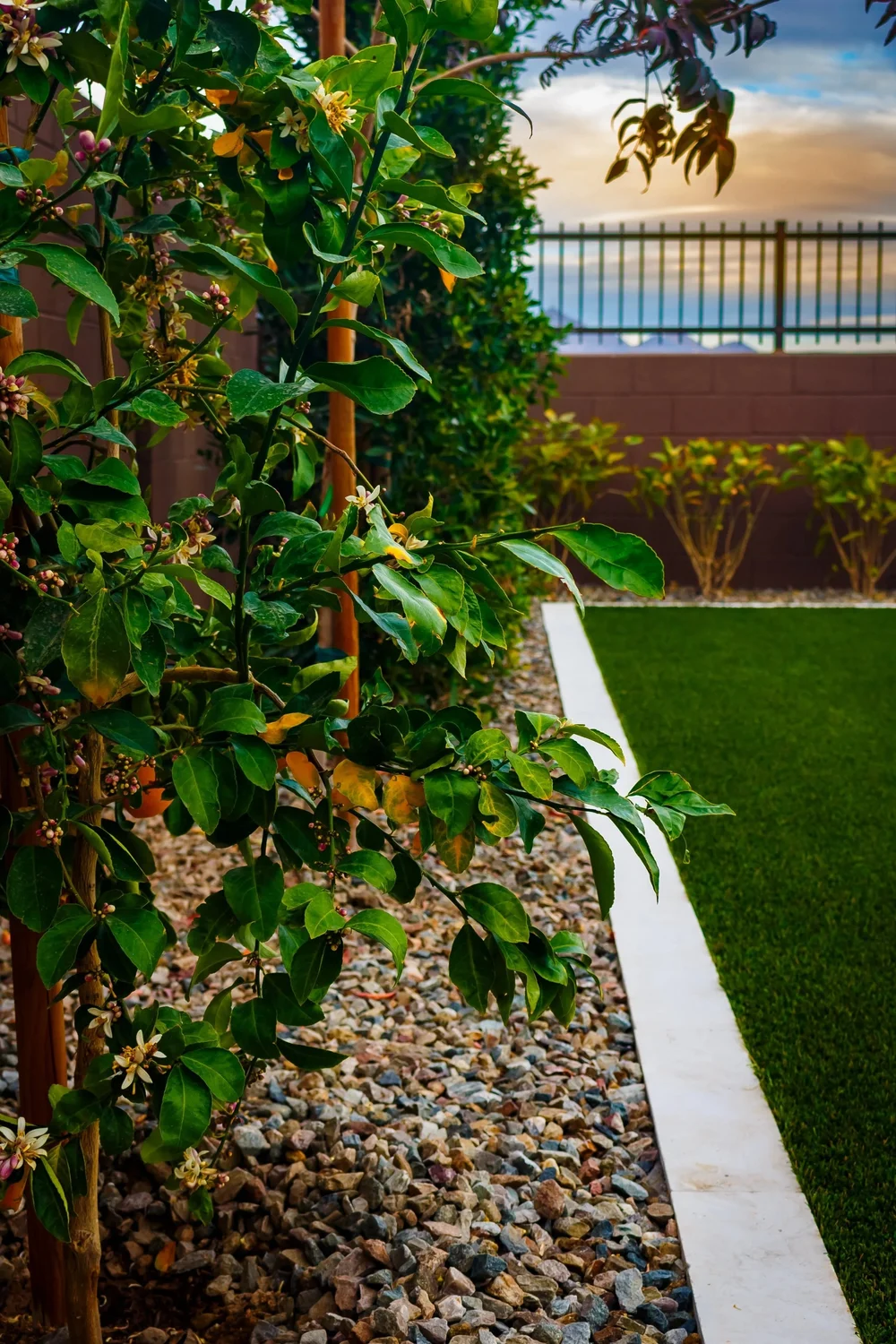
Check these points before you order:
- Site sun hours
- Planter height
- Use: seat, vegetable bed or display
- Finish
- Drainage parts
Write down your sun hours and planter height before asking for a quote, since those two numbers change the material and the size.
Conclusion
The right material for an Arizona yard depends on how the planter will be used and how much sun it gets. Block gives a built-in look, steel gives a rust-colored modern yard, and aluminum gives a light build. A custom planter box is sized to the sun, use and height of the spot where it sits.
Measure the planter spot, note its sun hours and send the height and use to the site for a quote.