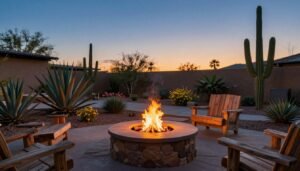
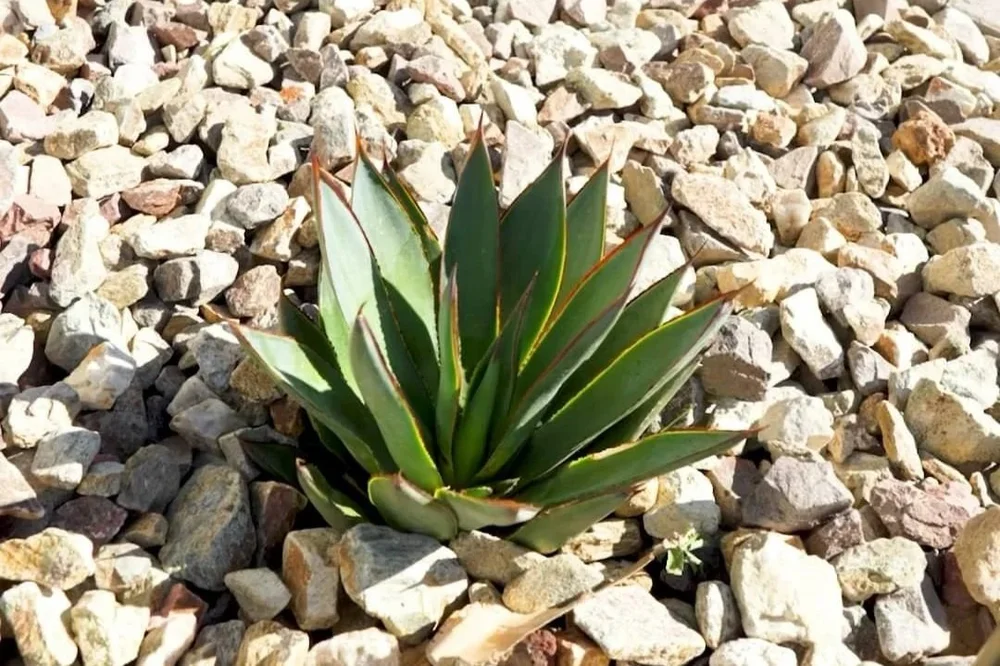
Drought-friendly landscaping AZ yards are planted with desert-adapted shrubs and trees, grouped by water need, and watered deeply but not often. You can have a green yard in Arizona without running a hose all summer. Landscaping is the largest use of drinking water in Arizona, and as much as 70 percent of home water use happens outdoors.
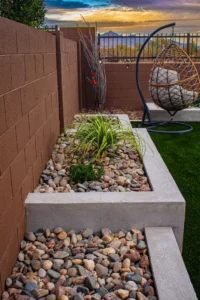
A yard covered in rock and gravel looks tidy, but it soaks up heat and gives little shade. Green plants cool the ground, and the right choices keep water use low. Water use can drop a lot with regionally appropriate plants, efficient design and smart irrigation.
Three things decide how well a new yard does. First, pick plants that suit your region and the sun in each bed. Second, group plants with the same water needs. Third, match your watering to the age of each plant. An established plant is a tree or shrub that has finished its first growing period, which is 3 years for trees and 1 year for shrubs. Swap a rock-only yard for a planted one in stages, starting with the sunniest bed where a shrub will take the most heat.
Key Takeaways
- Choose plants that suit your region and how much sun each bed gets.
- Group plants with the same water needs in one zone.
- Water new plants often, then less often once they are established.
- Trees need about 3 years and shrubs about 1 year to become established.
- Use drip irrigation and mulch to cut water loss.
- Start the change with your sunniest bed.
Choosing Plants That Match Arizona’s Climate and Sun
Start by checking how many hours of direct sun each bed gets, because that decides which plants will survive. Brittlebush, Texas sage and palo verde are common drought-tolerant plants that grow well in Arizona. Many low-desert plants need full sun to bloom well, so mark the sunniest beds first.
Plant lists for the Phoenix area and for high-elevation towns differ, since elevation, temperature and rainfall all change. A plant that thrives in Phoenix may struggle in cooler, higher ground. Regional plants are the safest bet, because they already suit your temperatures and rain.
Sun exposure changes across a single yard. A west-facing wall can get far more heat than a north-facing bed, so the same plant may thrive in one spot and fail in another. Note the sun exposure of each bed on a simple sketch before you choose plants.
A native plant from the desert is not always the lowest-water choice in its first year. Many native plants need extra water while their roots spread, so plan a little more watering for the first season. The Arizona Municipal Water Users Association publishes Landscape Plants for the Arizona Desert, which matches plants to mature size, sun exposure and water needs. Before you buy, confirm each plant appears on the list for your county, since a regional list avoids plants that suit only other elevations.
Low-Water Shrubs and Flowering Plants for Full Sun
Creosote bush, brittlebush and Texas sage are common desert plants found in Arizona, and each handles full sun on very little water. Plants with very different water needs should never be planted near each other, such as bird-of-paradise and creosote bush. Keep the thirsty bloomers and the dry shrubs in separate beds so each one gets the right amount.
Shrubs That Stay Compact
These shrubs handle heat and drought once they are established. Check the mature height before you buy, because many shrubs grow taller than their tags suggest.
- Creosote bush: up to 8 feet tall, prefers full sun, extremely drought resistant
- Brittlebush: 2 to 5 feet tall, extremely drought tolerant
- Texas sage: up to 5 feet tall and wide, very drought tolerant
- Jojoba: up to 6 feet tall, needs minimal water once established
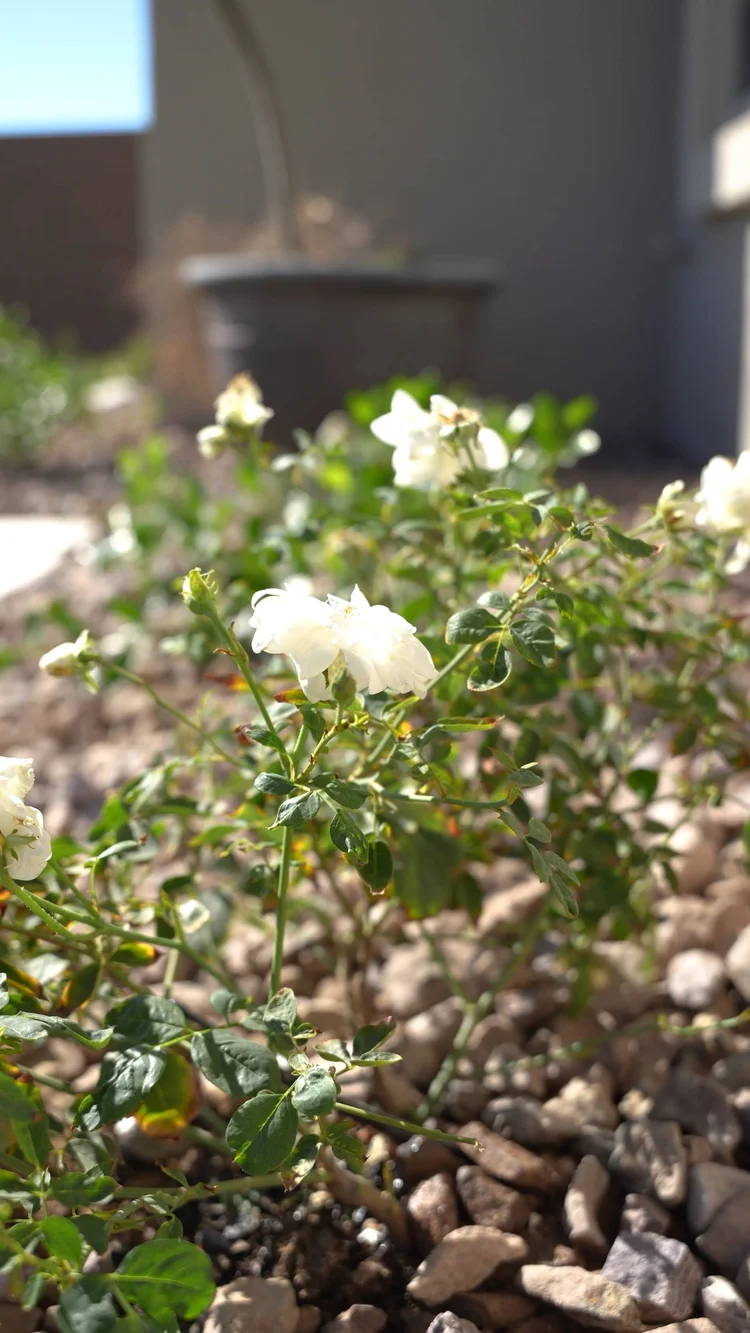
Brittlebush stays small enough for a front bed. Creosote bush and jojoba need more room, so plant them away from walks and driveways.
Flowering Plants for Color
Little-leaf cordia grows about 5 feet tall and wide and blooms heavily in spring. Most flowering plants need at least 8 to 10 hours of sunlight to produce flowers, so count the sun hours before you choose blooms. A bed that gets only morning sun may give you leaves but few flowers.
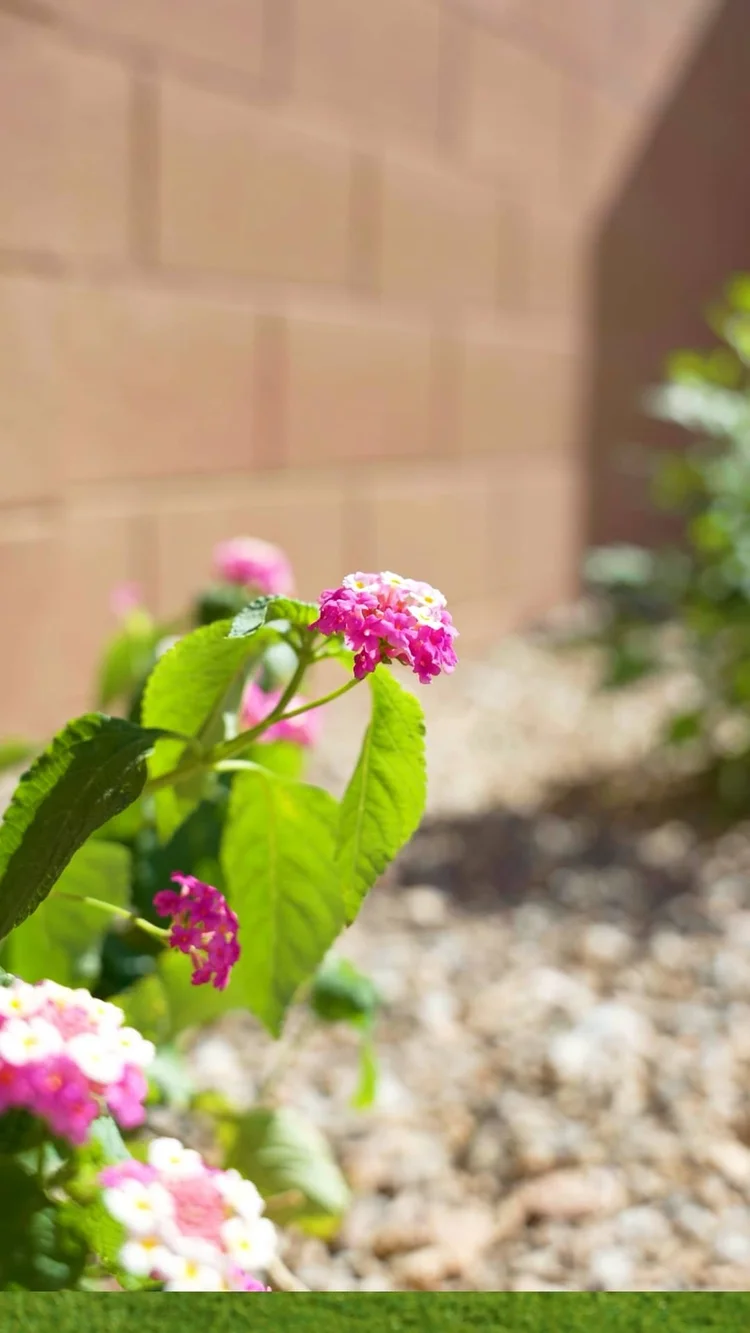
Bird-of-paradise is a bright bloomer, but it is thirsty. It gets deep watering every 2 weeks while it blooms, so keep it away from your dry beds.
Grouping Plants by Water Needs
Group plants with the same water needs in one zone, so each zone gets the same schedule. Arizona’s low-desert planting guide recommends this grouping to avoid under- or overwatering individual plants. Put the dry shrubs in one zone and the thirstier bloomers in another.
Put any plant that needs more water in its own zone, so the dry shrubs are not soaked by its schedule.
Trees That Shade the Yard in Summer Heat
The Desert Museum palo verde grows quickly to 25 feet tall and wide, and it needs only occasional watering once established. Velvet mesquite, Arizona rosewood and desert willow are other heat tolerant trees that handle dry Arizona summers. Desert trees like these give shade where a lawn would burn.
Mesquites tolerate hot south- and west-facing walls, alkaline soils and poor soils. Velvet mesquite reaches 30 to 50 feet with adequate water in deep soil. Extra water makes it grow much larger, so a small lot calls for a smaller tree.
| Tree | Mature height | Water need | Heat notes |
|---|---|---|---|
| Desert Museum palo verde | 25 feet tall and wide | Occasional watering once established | Grows quickly in full sun |
| Velvet mesquite | 30 to 50 feet with adequate water | Needs deep soil to reach more water | Tolerates hot south- and west-facing walls |
| Arizona rosewood | 10 to rarely 25 feet | Desert-adapted, low once established | Tolerates temperatures below 110°F |
| Desert willow | 15 to 35 feet | Desert-adapted, low once established | Grows in full sun |
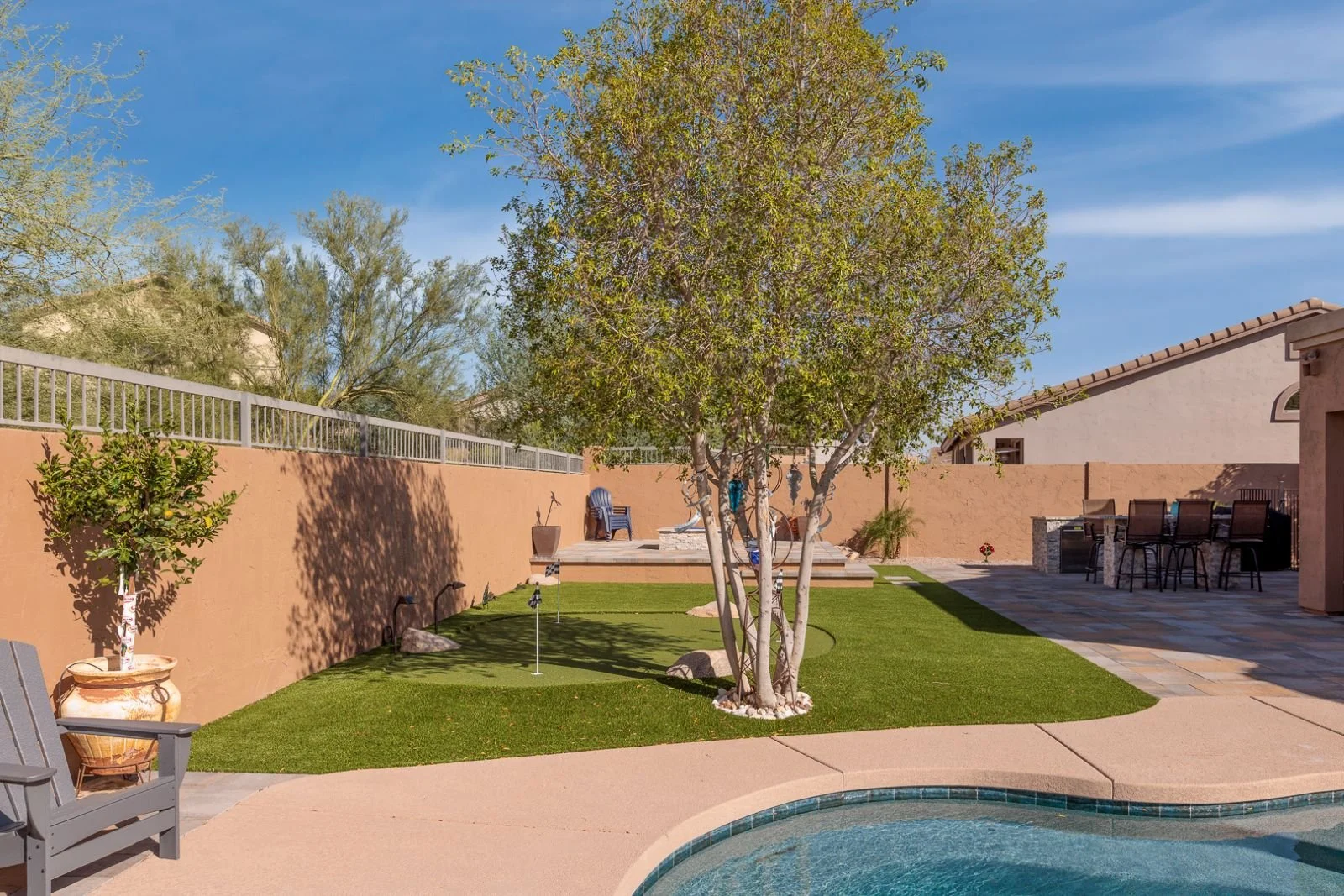
A tree watered heavily can outgrow its space within a few years. Plan the mature size before planting, since a tree watered heavily can outgrow its space within a few years.
How Often to Water New and Established Plants
Water new plants every one to two days during their first two weeks, from May to October. Follow this watering schedule until each plant is established, because roots need steady moisture while they spread. A young plant has a small root system that cannot reach moisture deep in the soil, so the schedule starts with frequent water.
Irrigation runs best before sunrise, when less water evaporates in the heat. Schedules that slow down over time match the way roots grow deeper each season.
Watering the First Eight Weeks
In weeks 1 and 2, water every 1 to 2 days. In weeks 3 and 4, water every 3 to 4 days, and in weeks 5 and 6, every 4 to 6 days. In weeks 7 and 8, water every 7 days, always from May to October.
A common mistake is shallow daily watering, which keeps roots near the surface where the soil dries fastest. Deeper, less frequent watering pushes roots downward, where the soil stays moist longer.
Watering Established Trees and Shrubs
Established trees need water every 7 to 21 days from May to October, with water reaching 24 to 36 inches deep. Established shrubs follow the same interval, with water reaching 18 to 24 inches deep. Shrubs count as established after 1 year, and trees count as established after 3 years.
Watch the leaves as a signal. Wilting in the afternoon means the soil has dried out too far down, so the water needs to go deeper.
Watering Techniques That Reduce Loss
Water the whole root zone regardless of season. Once or twice a year, water landscapes for twice as as long to leach salts from the soil. Leaching flushes salts below the roots so they do not build up near them.
Check the soil depth with a probe or trowel after watering, because water that does not reach 18 inches for shrubs means the plant is still shallow-rooted.
Lowering Your Water Bill With Drip Irrigation and Rock-Free Ground Covers
The lowest maintenance landscaping in Arizona is a planted, mulched bed with drip irrigation, not turf. Drip irrigation can save up to 25 percent of water usage in some landscapes. Irrigation systems that deliver water to each plant’s root zone waste less than sprinklers spraying the whole yard.
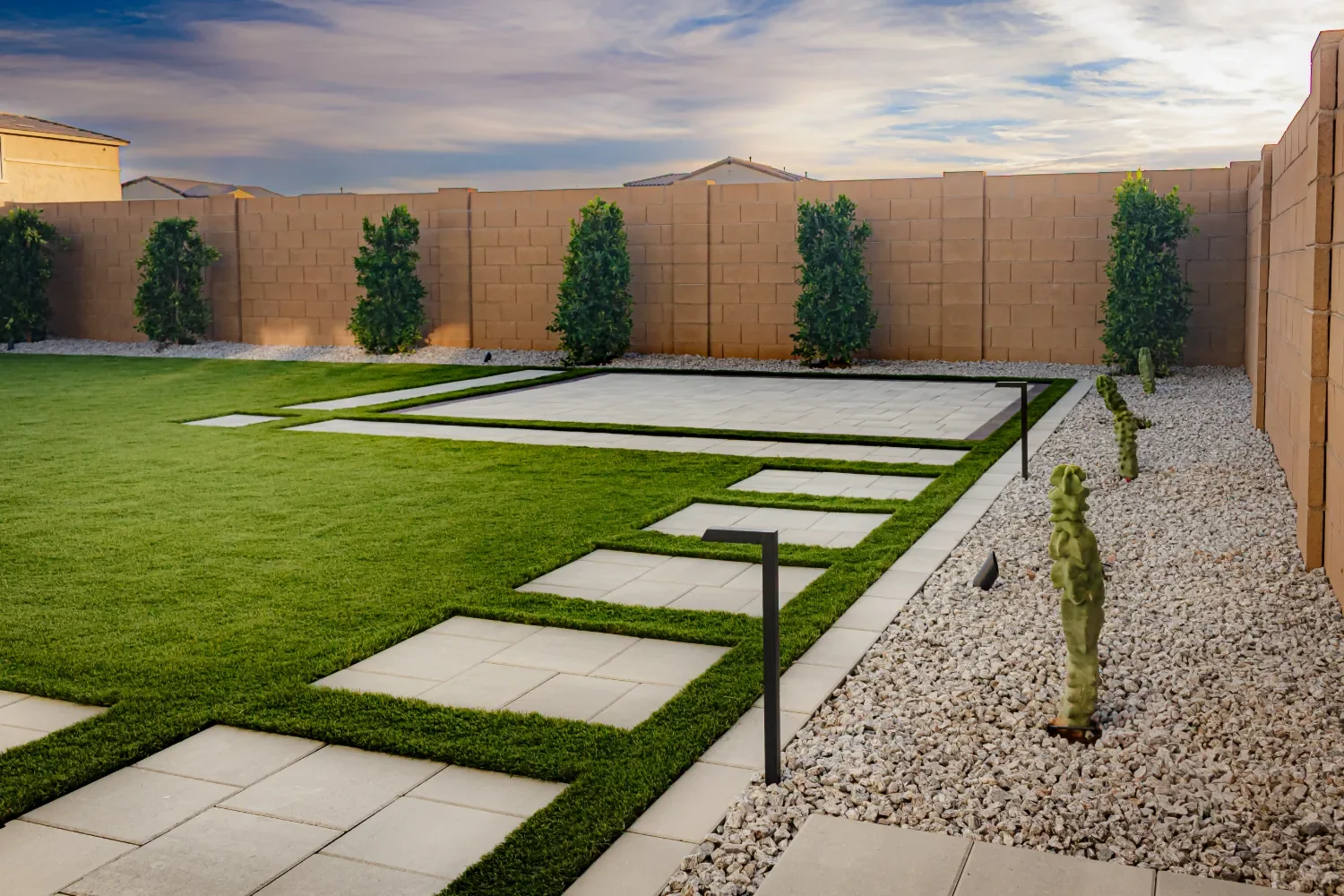
Designing a Drip System for Your Plants
Check these design factors before you lay out any tubing. Each one changes how much water a bed needs.
- Plant type: match each emitter to how much water that plant needs
- Planting density: crowded plants share water, so space emitters to suit
- Soil type: sandy soil drains fast, while clay holds water longer
- Runoff potential: slopes shed water, so slow the flow on them
- Radiated heat: walls and paving add heat, which raises water loss
- Water pressure: uneven pressure gives some emitters too little flow
Water quality matters too, since hard water can clog emitters over time. Plan the design around the plant that needs the most water in each zone.
Mulch and Ground Covers That Cut Evaporation
Spread mulch deep enough to cover all the bare soil between plants. Mulch slows evaporation, so the soil stays cool and damp longer. A ground cover between shrubs is a better choice than rock, because it shades the soil and adds life.
Keep mulch a few inches away from stems, since mulch piled against a stem can cause rot. Keep drip emitters clear of stems and check them monthly, since a clogged emitter quietly starves one plant.
Conclusion
A drought-friendly landscaping AZ yard needs fewer plants than most people expect, arranged by water need and watered on an establishment schedule. Native plants and low water shrubs do the heavy lifting, while the watering schedule keeps new roots growing. Together, the plant list, the water zones and the schedule keep a yard green through the hottest months.
Walk your yard this week and note the sunniest bed. Mark it and plant the first shrub there before the next May watering season begins.